

Your Source for Digital News & Trends in the Construction Industry
The construction industry faces its most severe workforce challenge in decades. From residential builders in Phoenix to commercial contractors in Charlotte, the story remains the same: qualified workers are nearly impossible to find. This isn’t a temporary slowdown or seasonal dip. The construction labor shortage has fundamentally altered how projects get scheduled, how much they cost, and whether they can be completed at all.
Recent industry surveys reveal that approximately 80% of construction firms report difficulty filling hourly craft positions. The problem extends beyond entry-level roles. Experienced electricians, plumbers, welders, and heavy equipment operators command premium wages yet remain in short supply. For contractors, this translates to delayed projects, reduced profit margins, and the constant stress of competing for limited talent. Understanding why this crisis emerged and what strategies can address it has become critical for construction businesses trying to survive in 2025.
The Numbers Behind the Construction Workforce Collapse
The construction industry needs to attract an estimated 439,000 to 723,000 new workers annually just to meet current demand, depending on methodology. Yet vocational program enrollment continues declining. High schools that once offered robust shop classes and trade programs have eliminated them in favor of college preparatory curricula. The result is a generation of potential workers who never considered construction as a viable career path.
Age demographics paint an even grimmer picture. The average age of construction workers now stands at approximately 42 years old, with retirement rates accelerating. For every five workers leaving the industry through retirement, estimates suggest fewer than three new workers enter it. Baby boomer retirements are removing decades of institutional knowledge and technical expertise from job sites. The experience gap compounds the numbers gap, leaving projects understaffed and overstretched.
Regional variations in the shortage create additional complications. Sun Belt states experiencing rapid population growth face particularly acute shortages. Texas, Florida, Arizona, and North Carolina all report strong construction demand amid limited workforce availability. Contractors in these booming markets regularly report turning down profitable projects simply because they lack the personnel to execute them.
Why Young Workers Avoid Construction Careers
Perception problems plague construction recruiting efforts. Many young people view construction work as physically demanding, low-paying, and lacking career advancement opportunities. These misconceptions persist despite construction wages rising faster than the national average. Skilled tradespeople in major metropolitan areas routinely earn six-figure incomes, yet this reality rarely reaches high school career counselors or college-bound students.
The college-for-everyone mentality dominates American education policy. Parents, teachers, and guidance counselors steer students toward four-year degrees regardless of aptitude or interest. Construction careers get dismissed as fallback options rather than legitimate first choices. This cultural bias ignores the earning potential, job security, and entrepreneurial opportunities that construction trades provide.
Student debt concerns influence career decisions in unexpected ways. Young people burdened with college loans often feel pressured to pursue white-collar jobs they believe will pay more. The irony is that many construction apprenticeships offer immediate income without educational debt. A 20-year-old apprentice electrician can earn during training, graduating debt-free into a career with strong wage growth. A 22-year-old college graduate with $50,000 in loans may struggle to match that trajectory.
Immigration Policy Changes Restrict Traditional Labor Sources
Construction has historically relied on immigrant labor to fill workforce gaps. Recent immigration policy changes have disrupted this traditional pipeline. Stricter enforcement, visa restrictions, and border security measures have reduced the available labor pool. Contractors who previously staffed projects with immigrant workers now scramble to find alternatives.
The impact varies by trade and region. Framing crews, concrete workers, and landscaping teams have been particularly affected. Some contractors report losing 30-40% of their workforce due to immigration enforcement actions. These disruptions occur with no warning, leaving projects half-finished and schedules in chaos.
Legal immigration pathways for construction workers remain inadequate. H-2B visa programs have strict caps that fill within hours of opening. The application process involves substantial costs and bureaucratic complexity. Small and mid-size contractors often lack the resources to navigate immigration sponsorship requirements, leaving them unable to access legal foreign workers even when willing to hire them.
Technology Adoption Lags Behind Workforce Needs
Construction remains one of the least digitized major industries. Many contractors still rely on paper blueprints, manual scheduling, and spreadsheet-based project management. This technological lag makes the industry less appealing to younger workers who expect modern digital tools in their careers. A 25-year-old comfortable with smartphones and cloud software finds traditional construction methods antiquated and frustrating.
Building Information Modeling (BIM), drones, and construction management software can improve productivity and attract tech-savvy workers. Yet adoption rates remain low, particularly among smaller contractors. The upfront costs, training requirements, and change management challenges deter investment. This creates a vicious cycle where outdated methods repel young talent, and labor shortages prevent the time investment needed to modernize.
Automation and robotics hold promise but remain years away from widespread deployment. Bricklaying robots, autonomous equipment, and prefabrication techniques can reduce labor requirements. Current technology limitations mean these solutions complement rather than replace human workers. [ARTICLE NOT YET PUBLISHED – LINK TO: “Prefabrication and Modular Construction Hitting Record Adoption Rates Across US Markets” ONCE LIVE]
Compensation and Benefits Fall Short of Expectations
Construction wage growth has accelerated, with average hourly earnings rising approximately 4% year-over-year and field craft professionals now earning about $36.54 per hour on average. This represents roughly an 18% premium over typical private-sector wages. Yet health insurance coverage in construction lags behind other industries. Many smaller contractors cannot afford to offer comprehensive benefits packages. Workers weighing career options compare construction compensation to other skilled positions requiring similar training levels.
The feast-or-famine nature of construction work creates income instability. Seasonal slowdowns, weather delays, and project completion gaps can leave workers without steady paychecks. Younger workers with rent, car payments, and other fixed expenses need reliable income. Industries offering consistent year-round employment become more attractive than construction’s variable schedule.
Retirement benefits in construction also trail other sectors. Only about 26% of wage-and-salary construction workers participate in pension or retirement plans, compared to 34% of workers overall. Union contractors typically offer pension programs, but non-union shops often provide minimal retirement benefits. A 20-year-old evaluating career options considers long-term financial security. Construction’s traditional focus on immediate wages without strong retirement benefits puts it at a disadvantage against industries offering 401(k) matching and pension programs.
Working Conditions and Safety Concerns Deter Applicants
Construction remains among the most dangerous occupations in America. The Bureau of Labor Statistics reports construction accounts for more workplace fatalities than any other industry. Falls, electrocutions, equipment accidents, and being struck by objects cause thousands of injuries annually. Young workers and their parents weigh these risks when considering career paths.
Safety improvements have reduced injury rates, but construction still involves inherent dangers. Working at heights, operating heavy machinery, and exposure to hazardous materials create risks absent in office environments. Some potential workers simply prefer careers with lower physical danger, regardless of pay or opportunity.
Physical demands also limit the potential workforce. Construction requires stamina, strength, and the ability to work in extreme weather conditions. Not everyone possesses the physical capabilities for demanding trades. As the economy shifts toward service and knowledge work, fewer young people engage in physical labor during their formative years. A generation raised on screens rather than tools often lacks the physical conditioning construction demands.
Training Program Capacity Cannot Meet Industry Demand
Vocational schools and apprenticeship programs face their own resource constraints. Community colleges that offer construction trades programs report waitlists for popular courses. Instructors themselves are aging out, creating a teacher shortage within trade education. Equipment costs, facility requirements, and insurance expenses limit how many students programs can accept.
Apprenticeship programs require journeyman-level workers to mentor apprentices. The labor shortage means experienced workers are too busy with billable work to spend time training. This bottleneck restricts how quickly new workers can enter the field. Even when young people want construction careers, the training infrastructure cannot accommodate them fast enough.
Some contractors have launched their own training initiatives to address the shortage. These programs require significant investment in curriculum development, safety protocols, and instructor time. Smaller contractors lack the resources for in-house training, leaving them dependent on external programs with limited capacity. The training gap perpetuates the labor shortage even as awareness of construction career opportunities increases.
Competition From Other Industries Intensifies
Warehousing, logistics, and manufacturing sectors actively recruit the same demographic that construction needs. Amazon distribution centers offer climate-controlled environments, predictable schedules, and immediate employment without lengthy apprenticeships. These jobs appeal to workers who might otherwise consider construction but prefer indoor work with less physical strain.
Technology companies have expanded into blue-collar recruiting. Tech giants building data centers and manufacturing facilities offer attractive compensation packages to skilled tradespeople. Workers can command premium wages accessing benefits and corporate perks typically associated with white-collar positions. Construction contractors struggle to compete with these employment packages.
The gig economy also absorbs potential construction workers. Driving for rideshare services, food delivery, or freelance platforms offers flexibility and autonomy. Young workers value work-life balance and schedule control. Construction’s demanding hours and rigid schedules feel restrictive compared to gig work, even when construction pays better long-term.
Geographic Mobility Challenges Limit Workforce Distribution
Construction labor shortages are not uniform across all markets. Some rural areas have available workers but lack sufficient project volume. Booming metropolitan markets need workers but face housing affordability challenges that deter relocation. A skilled carpenter in Mississippi cannot easily move to Austin or Denver when rent consumes 50% of their paycheck.
Workforce mobility has decreased across all industries. Younger Americans move less frequently than previous generations. Family ties, dual-income households, and lifestyle preferences keep workers rooted in their current locations. Construction contractors cannot simply recruit from oversupplied markets to undersupplied ones as easily as in past decades.
Travel work programs help contractors access remote labor pools. Workers agree to travel to job sites in exchange for higher wages and covered living expenses. These arrangements work for some projects and some workers, but cannot solve systemic regional imbalances. Workers with families or those preferring stable home lives avoid travel positions regardless of financial incentives. [ARTICLE NOT YET PUBLISHED – LINK TO: “Material Cost Volatility Forcing Construction Companies to Rethink Project Bidding” ONCE LIVE]
Retention Strategies Prove More Valuable Than Recruiting
Keeping existing workers has become more cost-effective than constantly recruiting. Employee turnover in construction averages 20-30% annually, creating a perpetual recruiting treadmill. Companies that reduce turnover by even 5-10 percentage points gain significant competitive advantages. Retention requires intentional culture building, career development, and worker engagement.
Career advancement pathways help workers see long-term potential in construction. Clear progressions from apprentice to journeyman to foreman to project manager give workers goals to pursue. Companies that invest in leadership development and promote from within build loyalty. Workers who see a future with their employer are far less likely to leave for marginal wage increases elsewhere.
Work-life balance initiatives address a key concern for younger workers. Flexible scheduling when possible, respect for personal time, and reasonable overtime expectations improve job satisfaction. Construction will never be a nine-to-five office job, but contractors can avoid the burnout that comes from constant 60-hour weeks and weekend work.
Contractor Business Models Must Adapt to Labor Realities
The traditional contractor business model assumed ready access to labor. Firms bid projects based on estimated labor costs and availability. Today’s labor shortage forces fundamental business model changes. Contractors must build labor constraints into their strategic planning from the beginning.
Some firms are shifting toward labor-light construction methods. Prefabrication, modular construction, and engineered components reduce on-site labor requirements. These approaches require different expertise and supply chain relationships. Contractors willing to adapt their methods can partially offset labor shortages through process innovation.
Strategic workforce planning has become as important as project pipeline management. Leading contractors invest in workforce development, retention programs, and long-term recruiting strategies. They treat labor as their most valuable and scarce resource. Firms that continue operating with an ad-hoc approach to workforce management will struggle to compete for projects and talent.
Industry Resources and Workforce Development Programs
The Department of Labor’s Apprenticeship Program provides frameworks and funding for registered apprenticeship programs across construction trades. These programs combine on-the-job training with classroom instruction, creating pathways for new workers to enter the industry with structured support and standardized training requirements.
OSHA’s Construction Focus Four Hazards training resources help contractors improve workplace safety and reduce the injury rates that deter potential workers. By addressing the four leading causes of construction fatalities—falls, struck-by objects, electrocutions, and caught-in/between hazards—companies can create safer work environments that attract and retain employees.
How MFG Builders Supports Construction Companies
The construction labor crisis demands that contractors rethink how they attract both clients and workers. A strong digital presence has become non-negotiable for firms competing in today’s market. Companies need websites that showcase their expertise, content that positions them as industry leaders, and marketing strategies that reach decision-makers.
MFG Builders specializes in web development and digital marketing specifically for construction companies. From custom website design to search engine optimization, the focus remains on helping contractors build their brand and generate qualified leads. In a market where every project and every potential employee matters, having a professional digital presence separates thriving companies from struggling ones. Contact MFG Builders today to discuss how a strategic digital marketing approach can help your construction business grow despite the labor challenges facing the industry.
Works Cited
United States, Bureau of Labor Statistics. “Census of Fatal Occupational Injuries Charts, 2023.” U.S. Bureau of Labor Statistics, 2024, www.bls.gov/iif/fatal-injuries-tables/fatal-occupational-injuries-census-2023.htm. Accessed 13 Oct. 2025.
United States, Department of Labor, Employment and Training Administration. “Apprenticeship.” U.S. Department of Labor, www.dol.gov/agencies/eta/apprenticeship. Accessed 13 Oct. 2025.
United States, Occupational Safety and Health Administration. “Construction.” Occupational Safety and Health Administration, www.osha.gov/construction. Accessed 13 Oct. 2025.
Keep reading

Industry News
Prefabrication and Modular Construction Hitting Record Adoption Rates Across US Markets
Prefabrication and modular construction are experiencing a transformation from niche specialty to mainstream methodology. The global modular construction market reached $104 billion…

Industry News
Material Cost Volatility Forcing Construction Companies to Rethink Project Bidding
The construction industry is navigating unprecedented material cost volatility that has fundamentally changed how companies approach project bidding and client relationships. Price…
AI-Powered Search Engine
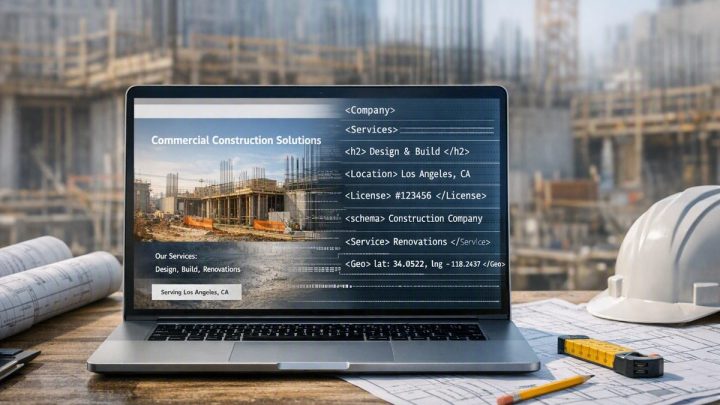
What an AI Engine Reads on a Contractor Website
Open a contractor website, turn the images off, and read what is left. That is close to what a machine gets. On…